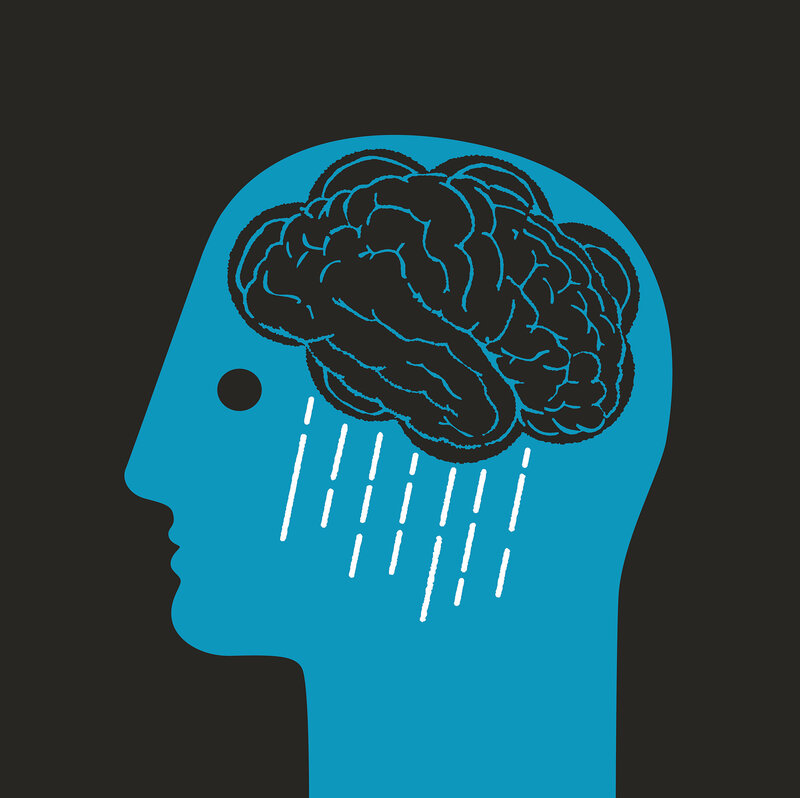
Recently I started looking into blogs related to mental health, and one blogger in particular talked about toxic positivity – the unhelpful and unsolicited hurtful advice on how to deal with your mental illness by just ‘being positive’. I was definitely intrigued. I have suffered from generalized anxiety disorder and major clinical depression for most of my life (but I was only diagnosed a couple of years ago), and while I know I haven’t always had the healthiest ways of dealing with it, I was not expecting to face the reality that I had perhaps inadvertently been perpetuating harmful advice to myself and others.
As I started reading more about their experience with this, I started realizing I may have been both a victim and a perpetrator of this crime! Toxic positivity involves encouraging people struggling with mental health issues to be positive, grateful they don’t have a worse condition, and/or focus on mindfulness. This process often involves extreme victim-blaming and gas lighting of the person being offered advice. The person offering this ‘help’ may not even realize they are doing more harm than good.
Have you ever had someone tell you to incorporate more yoga into your life to calm your anxiety? How about some deep-breathing meditation exercises? Do you say these things to people in response to them dealing with a physical condition? These are questions I started asking myself. I realized I have had this type of advice offered to me, and I have offered this type of advice to others. That is not to say these aren’t actual helpful and feel-good activities (I for one enjoy them), but when we are living with actual medical conditions, why do we treat mental conditions so differently?
So how exactly did I become that kind of person, despite knowing the true behind-the-scenes reality of what it’s like to live with mental illness? We see these hopeful messages all over the place about mental health wellness; the importance of reducing our stress levels so we can reduce our anxiety so we can reduce our depression… yoga, mindfulness, special diets, and of course, that universal mantra, ‘just be positive!’ Sure, some of these things do have many benefits and merit¹, but to give so much credit to these extracurricular factors, while forgetting that mental illness is exactly that — ILLNESS — which, just like a physical illness, can’t be willed away by holding a ‘tree pose’ for 15 extra seconds, or doing deep-breathing exercises, is doing a disservice to the validity of our own health and well-being. I, like many, tend to forget that mental health illness doesn’t come in a ‘one size fits all’; not all anxiety looks the same, and our experiences and treatments are so specific to each individual.
Going forward, where do I go from here? I try to take heed the saying ‘once you know, you can’t un-know’. Now that I realize what this behavior is and that I have been guilty of doing it to others, I can be more careful about how I approach mental health both for others and myself. It’s important to remember that not all mental health issues look the same or need the same type of care. The next time I offer advice to a friend in need, I will be more mindful of how my words can have an impact on them. Things that make me anxious and thus things that make me feel less anxious, could be completely different than someone else dealing with a similar mental health struggle.
I’d be very interested in hearing your experiences with toxic positivity and how you’ve dealt with it. Leave your comments below!
1 American Osteopathic Association. https://osteopathic.org/what-is-osteopathic-medicine/benefits-of-yoga/
 Gauri's Quiet Corner